
AUGUST 1 - SATURDAY - COLUMBIA UNIVERSITY – HARLEM
10:30-12:00 PM
Economics of Police Violence: Police Unions, Private Prisons, Municipal Fees Lerner Hall 555
“I want that money or I will arrest you” ---Slavery By Another Name, Douglas Blackmon. While Constable Robert N. Franklin spoke these words to John Davis in 1901 Alabama, it’s not hard to imagine them being spoken by police or judges in modern day Alabama, Ferguson, Milwaukee, Atlanta or any number of jurisdictions across the United States. The legal system in America has always been about racism and capitalism, from slavery to Reconstruction era Black codes and from the drug war and “broken windows policing”, the systematic over-enforcement of petty offenses in Black communities has been an integral part of maintaining white supremacy, destroying black lives, and generating revenue in the United States. The Department of Justice investigation into Ferguson, whatever its deficiencies, was historically significant in its recognition that police and local courts worked in concert to criminalize Black lives and generate revenue. In addition to discussing the ways in which the impunity afforded police and courts encourages for profit policing and excuses police violence in communities of color, this panel will showcase the ways lawyers can support the goals of local communities and movements to dismantle the financial incentives of policing.
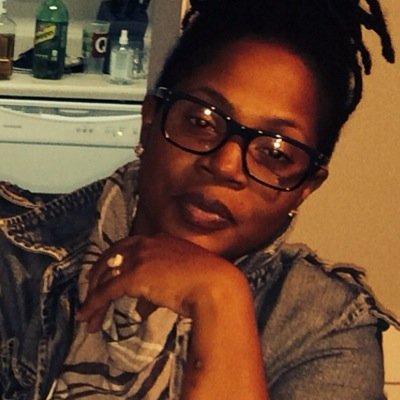
Mary Hooks, Campaign Organizer
Mary Hooks joined the SONG team as a field organizer for the state of Alabama in March 2011. Her passion for helping people is reflected in her years of community service and mentoring. Mary’s background is in Human Resources and holds a Master of Business Administration with a focus in Human Resources Management and recently obtained her Professional in Human Resources (PHR) certification. Though Mary is new to organizing, her personal story has prepared her for such a time as this. The chapters of her life begin with a life of poverty, being parentless, and shy. Eventually the story unfolds of a rebellious teenager who converts to a devoted Christian in Pentecostal church, who comes out as a lesbian and left without the support of her foster or church family and stricken with tons of Christian guilt. The climax of this story occurs when, in undergrad at a private Lutheran college, Mary begins to redefine her self and discovered a radical desire to be a catalyst for change in the world. Since then Mary has relocated to the hot shades of Atlanta, GA, and has found her niche in organizing with SONG, throwing dope parties and singing with the Juicebox Jubilees, a queer choir, created to provide a safe space for folks to gather their voices together, sip a little wine, and sing songs that uplift, inspire, and liberate. As she continues to navigate through movement work, she hopes that the folks she connects with are inspired to write their stories of self-determination, liberation, and love.
Nick Allen is a staff attorney in the Institutions Project at Columbia Legal Services (CLS) in Seattle, Washington. He started at CLS as an Equal Justice Works Fellow addressing barriers to reentry created by legal financial obligations (LFOs) in Washington State. He continues to work on LFOs and other issues affecting people in and returning from Washington’s jails and prisons, including juvenile transfer and sentencing laws. He received his J.D. from Seattle University School of Law.
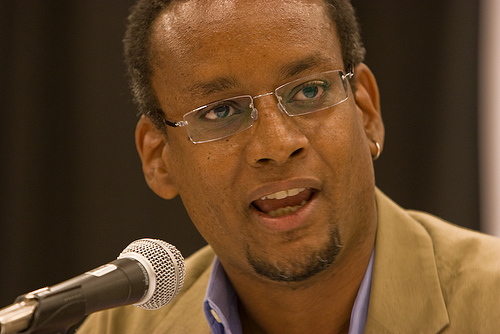
Vincent Warren is the Executive Director of the Center for Constitutional Rights. He oversees CCR's groundbreaking litigation and advocacy work, which includes using international and domestic law to hold corporations and government officials accountable for human rights abuses; challenging racial, gender and LGBT injustice; and combating the illegal expansion of U.S. presidential power and policies such as illegal detention at Guantanamo, rendition, and torture. Prior to his tenure at CCR, Vince was a national senior staff attorney with the American Civil Liberties Union, where he litigated civil rights cases, focusing on affirmative action, racial profiling, and criminal justice reform. Vince was also involved in monitoring South Africa's historic Truth and Reconciliation Commission hearings, and worked as a criminal defense attorney for the Legal Aid Society in Brooklyn. Vince is a graduate of Haverford College and Rutgers School of Law.
Vince is a frequent guest on MSNBC’s Melissa Harris Perry Show, The Reid Report, and Up with Chris Hayes, and has appeared on Moyers & Company with Bill Moyers. His writing has been featured in the New York Times Room for Debate, on the Huffington Post, and on CNN.com, among many publications.
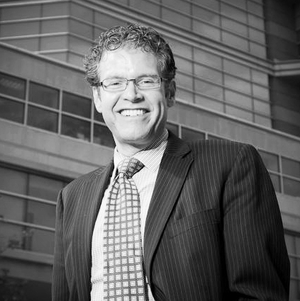
Thomas B. Harvey is the Co-Founder and Executive Director of ArchCity Defenders, a non-profit civil rights law firm providing holistic legal advocacy to the poor and homeless in the St. Louis region and beyond. ArchCity Defenders uses direct services, impact litigation, and advocacy through policy and public relations as its primary tools to promote racial justice and protect civil and human rights.
Thomas is the lead author of ArchCity’s paper on St. Louis County’s municipal court system that brought context to underlying factors in the protests following the killing of Mike Brown in Ferguson. The paper has sparked a national conversation about the way police and local courts worked in concert to criminalize Black lives and generate revenue, violating the clear mandates of the United States Constitution, and destroying the public’s confidence in the justice system and government.
Thomas is active in the representation of Ferguson protesters, as well as litigation and advocacy directed at reducing systemic racism through the elimination of cash bail, debtors’ prisons, revenue-based policing, and unconstitutional court practices in Ferguson and throughout the St. Louis region. His work has been featured in the New York Times, Democracy Now, MSNBC, and National Public Radio. He is currently a member of the Ferguson Commission Working Group on Municipal Courts and has provided policy guidance to state and federal legislators concerning the rights of protesters, law enforcement misconduct, and unconstitutional and racist practices in local courts.
ArchCity Defenders is active on social media. Follow us on Twitter @ArchCityDefense.
The Role of Law Schools in the Movement for Black Lives Hamilton Hall 602
Many law school faculty, students, and administrators claim deep commitments to the struggle for racial justice. However, while some have been actively engaged in the Movement for Black Lives, others have struggled to find a way in. This panel will discuss the engagement of the movement with law school student organizations, law faculty, law clinics, critical race scholarship, and law school classroom teaching, seeking to create a strategy for shifting law school administrative priorities towards movement goals. The aspiration is that all attendees will walk away much closer to having an answer for broader overarching question: how can law school institutional resources best be leveraged to support the movement for black lives
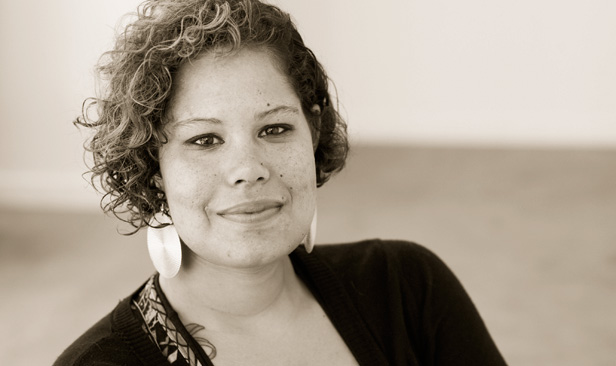
“I believe in the power of community to heal, correct and find solutions for the broken systems and pain we see around us,” said Nikkita Oliver, who refuses to sit back and watch individuals go without health services, live in poor conditions and suffer in unjust systems.
For Oliver public service goes beyond working for the common good. Since working on her undergraduate degree at Seattle Pacific University, Oliver has immersed herself in her pursuit of helping others. Starting as a youth outreach intern in Leadership Development and Community Development department within SPU’s John Perkins Center for Reconciliation, Oliver has worked to empower urban youth, a group that she said goes unheard.
“I will grow with them, suffer with them, listen with them and together we will move towards solutions,” she said.
Oliver believes that youth and their opinions are crucial to society’s well being and it is important to ensure that government systems and institutions benefit all ages, including those under the age of 18. The younger generations are the future and Oliver hopes that by encouraging them to participate in the processes of change and government this sidelined group can feel empowered and capable to be responsible citizens.
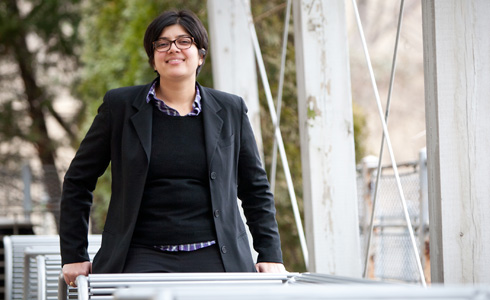
Professor Akbar received her B.A. from Barnard College, Columbia University, and her J.D. from the University of Michigan, where she served as editor-in-chief of the Michigan Law Review. Her interdisciplinary research focuses on the intersections of national security and criminal law, and on the functioning of the contemporary punitive state. She has written extensively on the role of counter-radicalization in shaping national security policing and prosecutions. Underlying her research is an effort to understand the relationships between law and legal discourse, policing, and inequality. Her clinical practice is focused on law and organizing for marginalized communities. With her students, she has litigated in state, federal, and transnational forums against domestic and foreign governments for human and civil rights abuses, researched and written community-based human rights reports, and collaborated with community organizations in campaigns for public education and collective change.
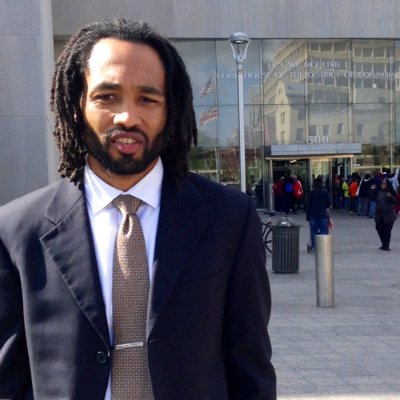
Naji Mujahid (William Fenwick), is a 3rd year law student at the University of the District of Columbia - David A. Clarke School of Law. At UDC, he is the President of the National Lawyer's Guild. Since beginning law school, he has clerked with the Public Defender Service for the District of Columbia, the Office of the Public Defender in Alexandria, VA, and the Mecklenburg County Public Defender in Charlotte, NC. He also participated in the DC Law Students in Court clinical program and represented adults and juveniles in criminal and delinquency matters. Prior to coming to law school, he was a journalist, and activist focused on issues related to police, prisons, and repression. He continues his involvement with the Jericho Movement to free political prisoners and is the interim co-chair of the DC chapter of the National Conference of Black Lawyers.
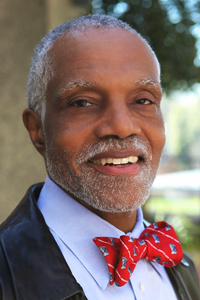
John C. Brittain joined the faculty of the University of the District of Columbia, David A. Clarke School of Law, in 2009, as a tenured professor of law. Professor Brittain writes and litigates on issues in civil and human rights, especially in education law. In 2013, he was named to the Charles Hamilton Houston Chair at North Carolina Central University School of Law, established to bring prominent civil rights law professors and litigators to the law school to teach constitutional and civil rights law for a year. Professor Brittain was one of the original counsel team in Sheff v. O’Neill, the landmark school desegregation case decided by the Connecticut Supreme Court in 1996, chronicled in Susan Eaton’s book, The Children in Room E4: American Education on Trial, in which he is frequently mentioned. He is presently a part of a legal team representing private plaintiffs in a federal lawsuit against the State of Maryland for denying Maryland’s historically black institutions of higher learning – Morgan, Coppin, Bowie and Maryland Eastern Shore Universities – comparable and competitive opportunities with traditional white universities.
#HighImpactLowEgo: Leadership Lessons from Black Women Hamilton Hall 517
This session is devoted to exploring Black movement history --on the histories we get vs. the histories we need, on the fables and distortions of movement history in our public conversation and the necessity to recover a fuller history of these earlier struggles for our movements today. Specifically the session will focus on Black women's roles and pioneering work in the civil rights and Black Power movements— on cross-generational alliances, organizing and leadership, and what long distance runners like Rosa Parks, Ella Baker, SNCC and Black Panther women give us for today's movements.
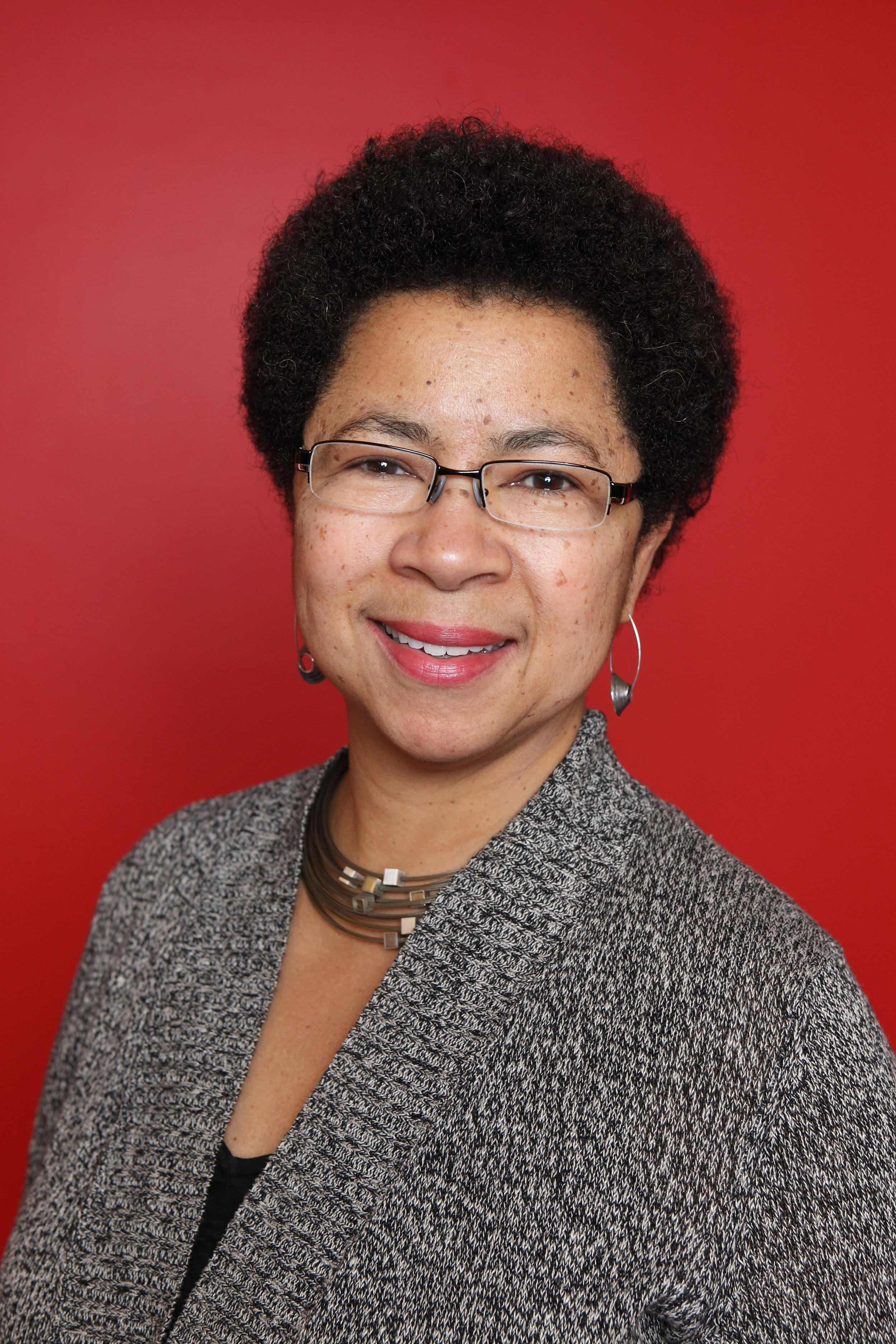
Barbara Ransby is a historian, writer and longtime activist. She is currently a Professor in African American Studies, Gender and Women's Studies and History at University of Illinois at Chicago where she directs the Social Justice Initiative. She is also Editor of Souls: A Critical Journal of Black Politics, Culture and Society published quarterly. Barbara Ransby is author of the award-winning biography, Ella Baker and the Black Freedom Movement: A Radical Democratic Vision. She also recently published Eslanda: The Large and Uncovential Life of Mrs. Paul Robeson. She was a student leader in the U.S. anti-Apartheid movement in the 1980s, co-founded African American Women in Defense of Ourselves in 1991 and was co-convener of the Black Radical Congress in 1998. She is a member of Ella's Daughters, a network of women activists, artists and scholars working in Ella Baker's tradition, and is a part of the editorial advisory committee of the London based journal, Race and Class.

Gloria Richardson (born 1922) is a civil rights activist and was a leader of the Cambridge Movement in Cambridge, Maryland, in the 1960s. Richardson received a B.A. in sociology from Howard University in 1942. The Cambridge Movement began as a civil rights effort, with activists from outside the region and black Cambridge residents sitting in at segregated movie theaters, bowling alleys and restaurants. The movement evolved into a battle for the economic rights of Cambridge citizens, many of whom were faced with low wages and unemployment. She helped organize the Cambridge Nonviolent Action Committee, the only non-student-led affiliate of the Student Nonviolent Coordinating Committee. The Cambridge Movement's focus on social justice and its use of armed self-defense tactics have been cited as signaling the beginning of the Black Power phase of the civil rights movement. Richardson has worked for the National Council for Negro Women, Harlem Youth Opportunities Unlimited and Associated Community Teams, and the New York City Department for the Aging.
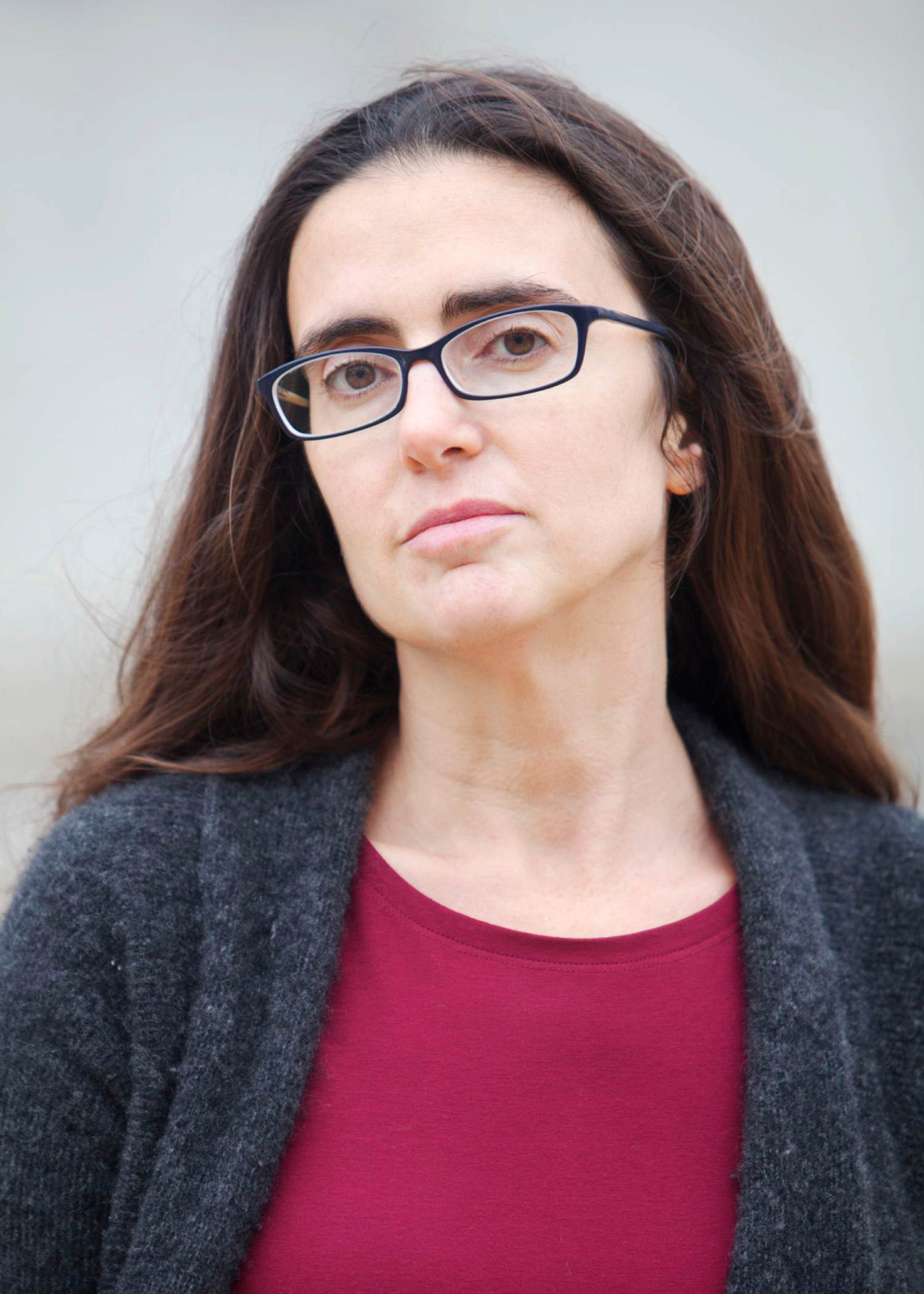
Jeanne Theoharis is Distinguished Professor of Political Science at Brooklyn College of the City University of New York. She is the author of numerous books and articles on the civil rights movement and contemporary politics of race in the US, including the much-acclaimed biography The Rebellious Life of Mrs. Rosa Parks, which won a 2014 NAACP Image Award. She is co-founder of Educators for Civil Liberties.
Chitra Aiyar, Executive Director, joined Sadie Nash in November 2013. She has 18 years of experience working with various local and international community organizations. Her most recent work at African Services Committee involved human rights advocacy and legal representation of African and Caribbean immigrants at the intersection of poverty, HIV, and migration. She also spent two years with Grameen Foundation USA, supporting Grameen Bank replication programs around the world and was a Fulbright Scholar in Bangladesh, researching the methodology of BRAC's non-formal education program, the world's largest and most successful NGO-run education program. Within the domestic context, Chitra has taught at various women's prisons and high schools, founded the Berkeley-based People's Test Preparation Service (an NGO that was awarded the Presidential Service Award by Bill Clinton in 1995 and continues to operate today), and is the board co-chair of the Queens-based Andolan, an organization that empowers migrant domestic workers.
Chitra has worked in radio (serving as one of the hosts of Asia Pacific Forum, a show that covers progressive issues in Asia and Asian-America on WBAI 99.5 FM) and in film as co-producer of Claiming Our Voice, a short documentary on domestic workers engaging in art and activism. Chitra has served as adjunct faculty at Columbia University, New York Law School, and Hunter College. She also designed and taught You Be the Judge for SNLP’s Summer Institute in 2009 and 2010, a six-week intensive course in which students analyzed and argued Supreme Court cases including the juvenile death penalty and parental notification for a minor’s abortion. Chitra has a degree in Development Studies from U.C. Berkeley and a law degree from New York University.
Global Solidarity: Struggles Against Racism & Police/State Violence Around the World Hamilton Hall 702
As the Movement for Black Lives builds, there is a growing consciousness of the transnational institutions of oppression and racism that have birthed movements against state violence and militarization worldwide. From the US training and police militarization in countries like Israel and Colombia, to xenophobic, anti-Black policy-making in the Dominican Republic, important ties need to surfaced in order to build a transnational movement that targets the institutions driving the dehumanization and violence against certain ethnic, racial or other socially marginalized groups. This panel will include lawyers and directly impacted people from diverse national contexts to exchange strategies and begin to draw the connections between state violence in the U.S. and globally.
.Ajamu Baraka is a veteran activist and organizer. He is currently an associate fellow at the Institute for Policy Studies in Washington, DC and an editor and columnist for Black Agenda Report. Baraka was founding executive director of the US Human Rights Network (USHRN) from July 2004 until June 2011. He has also served on the boards of various national and international human rights organizations, including Amnesty International (USA) and the National Center for Human Rights Education. He is currently on the boards of the Center for Constitutional Rights; Africa Action; Latin American Caribbean Community Center; Diaspora Afrique; and the Mississippi Workers’ Center for Human Rights
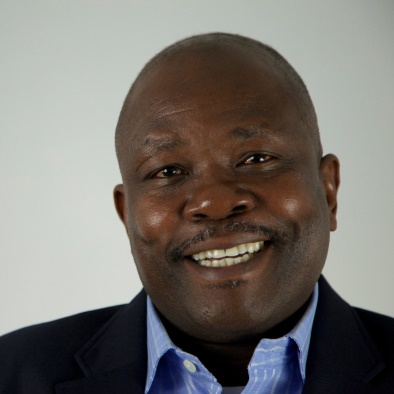
Mario Joseph is a Haitian human rights attorney with over 20 years of experience helping marginalized Haitians fight for their rights and building the justice system’s capacity to serve all Haitians. Since 1996, he has built the Bureau des Avocats Internationaux (BAI) in Port-au-Prince into Haiti’s premier public interest law firm. Mario and his team defend and protect activists and journalists who are jailed or threatened, partner with grassroots women’s groups to bring rape cases to trial, seek justice for the victims of the 1971-1986 Duvalier dictatorship and demand accountability from the United Nations for its reckless 2010 introduction of cholera into Haiti. The work includes combating police brutality and challenging racist practices with Haiti and against Haiti by the international community. BAI also trains the next generation of human rights lawyers and promotes civic engagement in rural communities.
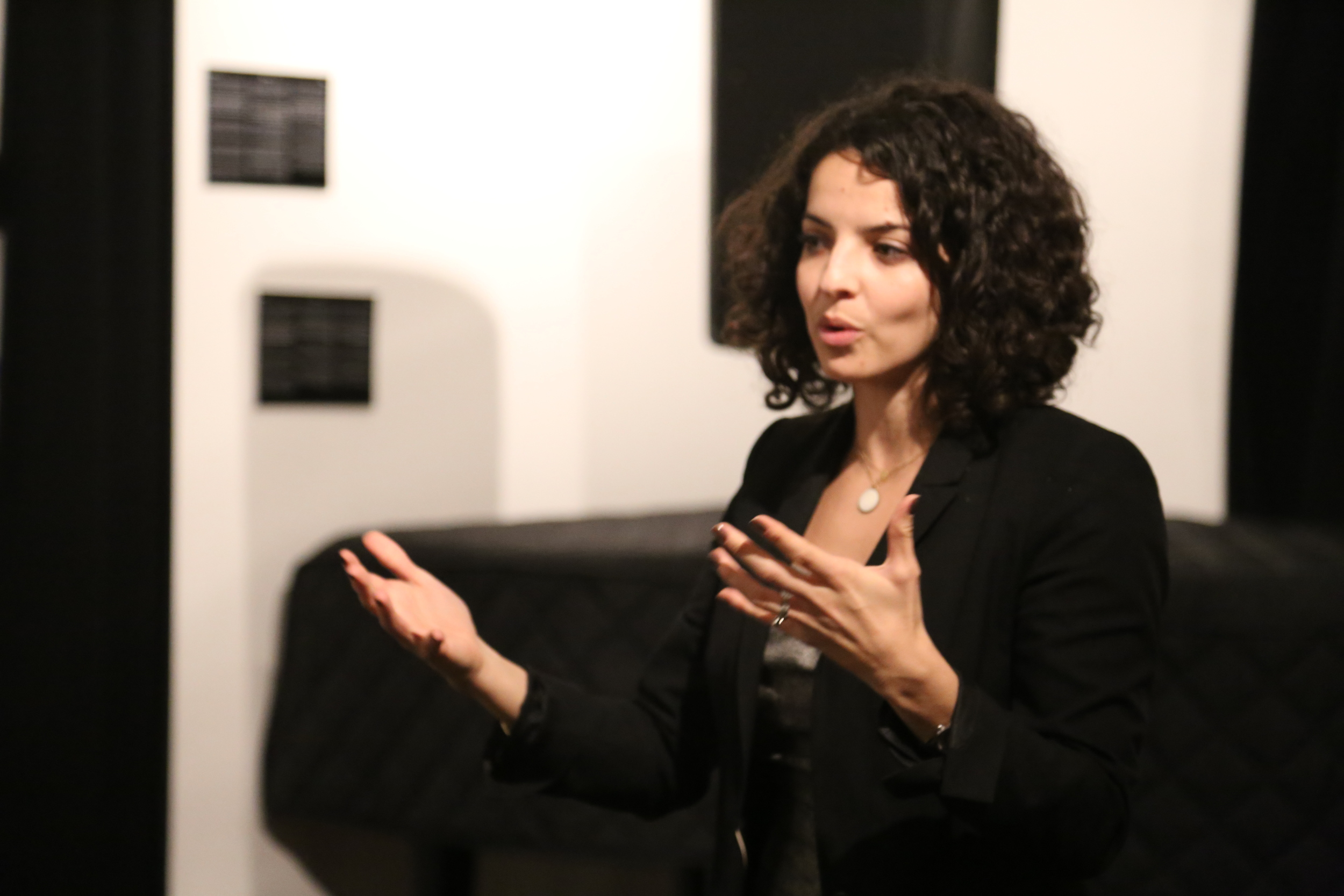
Nadia Ben-Youssef is a lawyer and human rights advocate serving as the first USA Representative for Adalah - The Legal Center for Arab Minority Rights in Israel. She has worked with Adalah since 2010, where she spent four years leading Adalah’s international advocacy efforts on behalf of the Palestinian Bedouin community in the Naqab (Negev) in southern Israel. She returned to the states full time in 2014, where she is currently developing Adalah’s US advocacy strategy to shape American discourse and to influence American policy and practice towards a human rights-based approach in Israel/Palestine. Nadia is a member of the New York State Bar and earned her JD from Boston College Law School with a concentration in Human Rights and International Justice. She also holds a BA in Sociology from Princeton University.
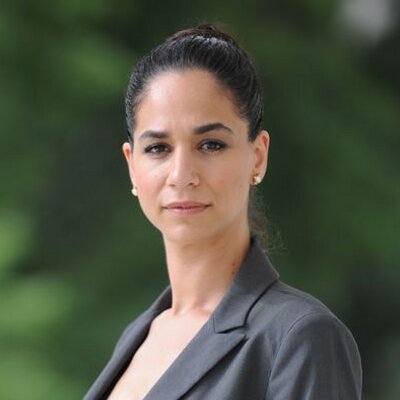
Noura Erakat is a human rights attorney and activist. As of Fall 2014, she is an Assistant Professor at George Mason University. She has taught international human rights law in the Middle East at Georgetown University since Spring 2009. Noura is a Co-Editor of Jadaliyya.
Most recently she served as Legal Counsel for the Domestic Policy Subcommittee of the Oversight and Government Reform Committee in the House of Representatives. Prior to her time on Capitol Hill, Noura received a New Voices Fellowship to work as the national grassroots organizer and legal advocate at the US Campaign to End the Israeli Occupation where she helped seed BDS campaigns nationally as well as support the cases brought against two former Israeli officials in U.S. federal courts for alleged war crimes. Prior to attending law school, she helped launch the divestment campaign along with the Students for Justice in Palestine at UC Berkeley.
She has helped to initiate and organize several national formations including AMWAJ-Arab Women Arising for Justice and the U.S. Palestinian Community Network (USPCN). She currently serves on the board of the Institute for Policy Studies; is a Policy Advisor to Al-Shabaka; and is a founding board member of the DC Palestinian Film and Arts Festival. Noura spent the Spring 2010 academic semester in Beirut, Lebanon where she worked with human rights attorney, Nizar Saghieh, on several issues including administrative detention of Iraqi refugees. Noura helped Saghieh establish the Legal Agenda, a Lebanon-based NGO dedicated to studying law and society and that advocates for legal reform in the Arab world through civic and judicial empowerment.
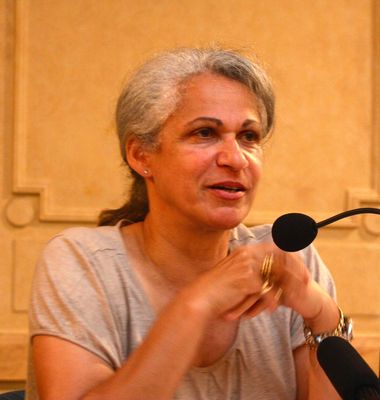
Ms. Fanon-Mendes-France has been a Professor at the University Paris V- Descartes in France and a visiting professor at the University of Berkeley in international law and conflict resolution. She has also worked for UNESCO and the French National Assembly.
She is an author of several articles on human rights and humanitarian law, as well as on racism and discrimination. In 2009, she received the Human Rights Award by the Council for Justice, Equality and Peace.
Fighting Mass Incarceration from Inside & Outside Prison Walls Lerner Hall Party Space
Those of us fighting for Black Lives on the outside have much to learn from incarcerated and formerly incarcerated activists who fight for their lives and their dignity from behind prison bars. Incarcerated people risk retaliation, and abuse every day to organize inside; it is essential that their leadership be recognized as we struggle together to end mass incarceration and the racist criminal justice system. Join former jailhouse lawyers, formerly incarcerated advocates, and lawyers challenging prison abuse to discuss our shared struggle to break down the prison walls.
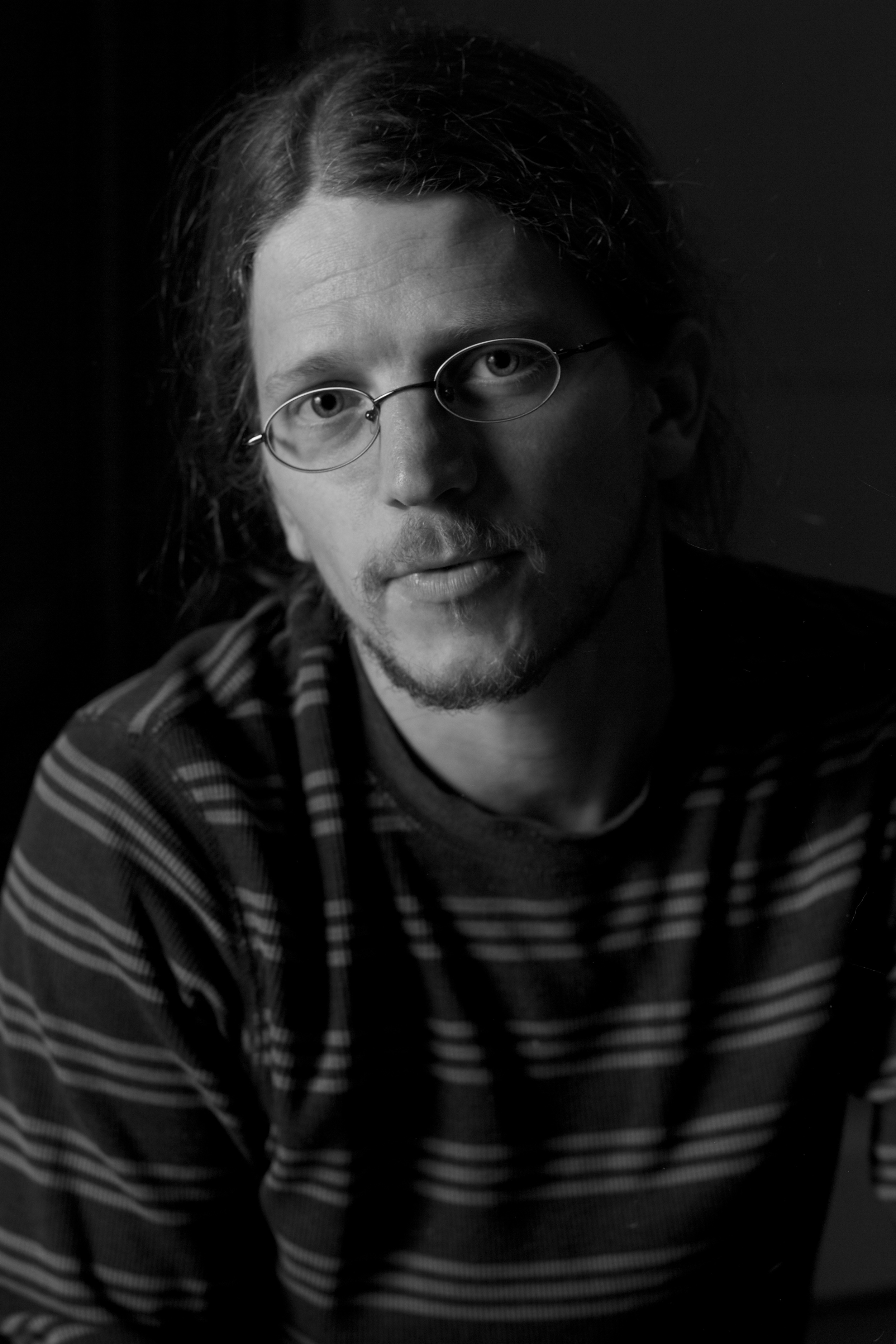
Bret Grote is the Legal Director and co-founder of the Abolitionist Law Center, a public interest law firm dedicated to the end of race and class-based mass incarceration. He was the Isabel and Alger Hiss Racial Justice Fellow at the Center for Constitutional Rights in 2012. He graduated from the University of Pitt Law School in May 2013 and was recognized as the school’s Distinguished Public Interest Scholar.
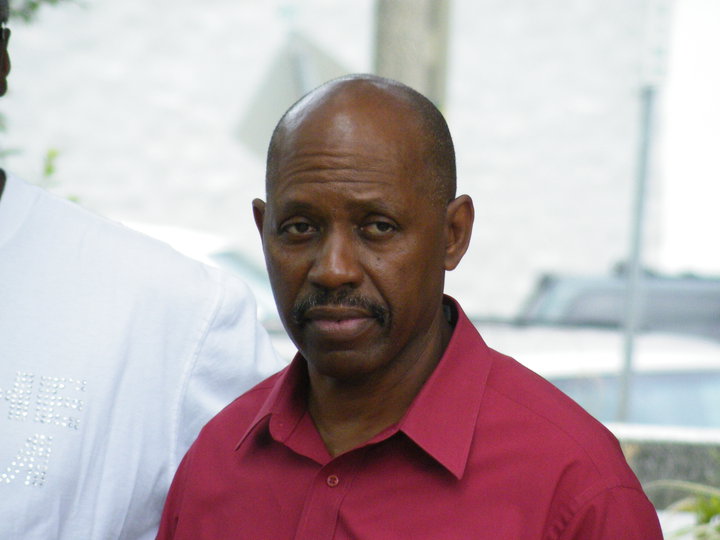
Norris Henderson, current Executive Director of VOTE, a nonprofit organization designed to educate, organize and mobilize formerly incarcerated persons about their right to vote in Louisiana. Norris is a former OSF Soros Justice Fellow who promoted community organizing and advocacy campaigns to transform the criminal justice system in New Orleans to one that is fair, safe and accountable to all citizens regardless of race and economic status. Norris has had tremendous success in his work impacting public policy and public discourse about police accountability, public defense for poor and indigent people, and reforming the notorious Orleans Parish Prison (OPP). As someone who was wrongfully incarcerated for 27 years, Norris shares firsthand experience of racism and brutality of the criminal justice system with communities of color across the city. Self-taught in criminal law during his 27 years in prison as a paralegal, advocate and organizer.
Andrea Williams has been living with HIV since 1993. She and her brother were born in Brooklyn, New York, and raised by their mother Arizona. After attending Sheepshead Bay High School, Williams took classes at Brooklyn College. When she contracted HIV, she already had two daughters, Ebony and Amber. The year 1993 became a turning point for the entire family. After the diagnosis, Williams began educating herself. Eventually, she became an activist in the struggle to live with HIV/AIDS. In 1996, she gave birth to her third daughter, Jade, born HIV-negative. For seven years, Williams volunteered as a Peer Educator, educating thousands of New Yorkers about HIV/AIDS. Williams has worked with Abbott Laboratories and the Magic Johnson Foundation on the I Stand With Magic Campaign. In addition, she was the National Spokesperson for The Women Living Positive Survey conducted by The Well Project, and the 2008 Grand Marshal of the Hudson Valley AIDS Walk. She's also been the guest speaker at numerous events across the country and continues to touch the lives of the clients who she works with at her clinic.
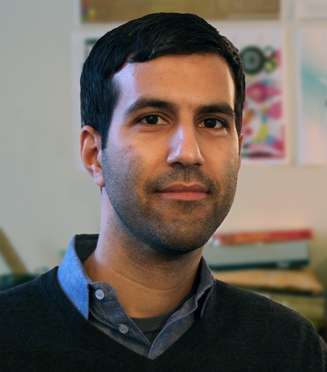
Alexis Agathocleous is a Deputy Legal Director at the Center for Constitutional Rights, where he works on issues of mass incarceration, criminal justice, LGBTQ discrimination, gender justice, profiling of Muslims, and the criminalization of dissent. He is counsel for plaintiffs in Aref, et al. v. Holder, et. al., challenging policies and conditions at the Federal Bureau of Prisons’ Communications Management Units, and in Ashker v. Brown, a class action lawsuit challenging long-term solitary confinement at California’s Pelican Bay prison. He was lead counsel inDoe v. Jindal and Doe v. Caldwell, successful challenges to a Louisiana law that required individuals convicted of a “Crime Against Nature” to register as sex offenders.
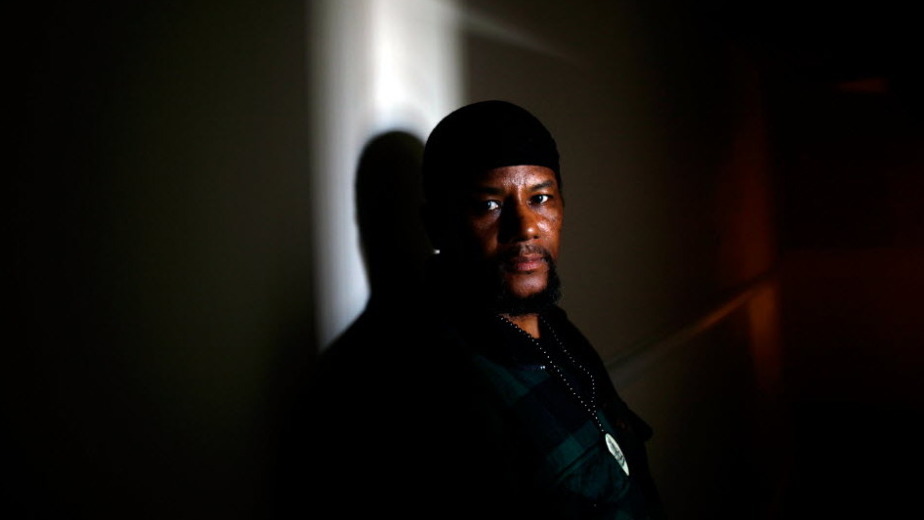
Abdul Ali, of Masjid Dar-Ut-Tauhid, is a DC-based activist and former jailhouse lawyer. During Ali’s 27 years in prison he brought a series of cases against prison authorities, including a challenge to the BOP’s policy regarding “good time credits” that impacted many other DC prisoners. As a result of Ali’s organizing, and the leadership role he played in the prison Muslim community, he was labeled a radicalizer and terrorist, with absolutely no evidence or process, and placed in a secretive “Communication Management Unit” where his ability to contact the outside world was extremely limited. Since his release from prison in 2011, Ali has started Ar-Rashidun, a juvenile awareness program for at risk youth and the Brothers’ Huddle, an interfaith group which throws cook-out in high-violence neighborhoods in DC to provide resources and information to community members. He also volunteers with the National Black United Front to distribute clothing, light medical supplies and food the first Sunday of each month in Ward 8. He has spoken to diverse audiences about his experiences in the CMU and the discriminatory treatment of Muslims in the prison system.
Working While Black: Building the Power of Black Worker Movements Hamilton Hall 717
Black workers continue to face a dual jobs crisis of unemployment and low-wage, poor quality jobs. With Black unemployment consistently twice than of white unemployment access to jobs remains a very real barrier to economic security in many communities. Simultaneously, attacks on public sector employment, declining unionization, and growth of service sector jobs disproportionately impact Black workers. Across the country, Black workers have and continue to join together to form worker centers to create progressive Black worker-led organizations to build political and economic power. This panel will explore the range of Black worker centers, their goals, the legal and policy tools that have advanced their campaign goals, and their visions for Black organizing.
- Moderator: Angelia Wade Stubbs, Associate General Counsel, AFL-CIO
Alfred Marshall is an organizer with Stand with Dignity, a project of the New Orleans Workers’ Center for Racial Justice, a grassroots membership organization of structurally un- and under-employed Black workers in New Orleans. In 2011, when Mr. Marshall saw that he and other Black workers were being denied employment redeveloping their community, the B.W. Cooper public housing project, he began organizing his community, ultimately winning jobs for over 50 workers, raising wages, and developing strategies to enforce local hiring. Mr. Marshall’s work has included developing strategies to enforce HUD Section 3 hiring requirements, winning a Ban the Box and family reunification policy at the Housing Authority of New Orleans, and serving as a Community Evaluation Commissioner to develop innovative new strategies for public contracting through the redevelopment of the Louis Armstrong New Orleans International Airport. With Stand, he currently leads a #BlackWorkersMatter campaign, fighting for full an fair employment and career ladders for Black workers in New Orleans, where 52 percent of Black men are out of work. As a life-long New Orleanian, former public housing resident, and through his own experiences with the prison industrial complex, Mr. Marshall understands deeply the challenges facing un- and under-employed Black workers in New Orleans. He was trained at the Seafarers International Union School of Seamanship in Baltimore.
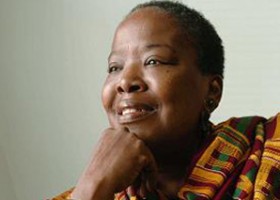
Jaribu Hill is the Founder of the Mississippi Workers’ Center for Human Rights and the Southern Human Rights Organizers' Conference (SHROC) and is a human rights attorney and a veteran community organizer. Hill is a former Director of CCR South and during her tenure, won a permanent judgment against the Christian Knights of the Ku Klux Klan in Columbia, South Carolina. She is a LDF cooperating attorney and serves as local counsel in a school desegregation lawsuit against Western Line School District in Greenville, MS. Hill is an international human rights spokesperson and cultural artist. Hill is the author of Knowledge is Power, a "Know Your Rights" manual and co-author of the Black College Guide.
Steven Pitts came to the Labor Center in August of 2001 from Houston, Texas. Steven received his Ph.D. in economics with an emphasis on urban economics from the University of Houston in 1994. His M.A. is also from the University of Houston and he holds an B.A. from Harvard University. For the 15 years prior to his arrival at the Labor Center, Steven taught economics at the Houston Community College and, for five years, he was an adjunct lecturer in the African American Studies Program at the University of Houston. At the Labor Center, Steven focuses on issues of job quality and Black workers. In this arena, he has published reports on employment issues in the Black community, initiated a Black union leadership school, and shaped projects designed to build solidarity between Black and Latino immigrant workers. Currently, a major area work involves providing technical assistance to effort developing Black worker centers around the country.
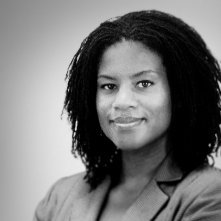
Lydia advocates for and represents labor trafficked domestic workers, who are disproportionately immigrant women of color, and creates legal resources to prevent continued abuse through sustainable work. Lydia has worked with domestic workers in Massachusetts either as a community advocate or by representing them in the Brazilian Immigrant Center’s Domestic Worker Law and Policy Clinic. She also started a mediation project for domestic workers wherein they and their employers are trained to be mediators to help mediate conflict for other domestic workers.
Trauma & the Law: Healing for Our Clients, Ourselves & Our Communities Mathematics Hall 203
The legal system is traumatizing. In the case of the #BlackLivesMatter movement, black and brown legal advocates are faced with an increasingly thin layer of separation between the bodies they stand in defense of and their own. Moreover, while we lack tools and awareness to deal with our own trauma, we are often charged with the responsibility of helping traumatized clients and communities navigate the legal system. Despite these realities, many legal advocates are under-resourced to navigate the imprint of emotional and psychological trauma that the legal system inflicts on ourselves, our clients, and our communities. Without trauma awareness, a healing justice framework, a toolset and skills to process them, symptoms of trauma can shape our lives in unwanted ways. Join us for a pioneering discussion on the power and possibility of bringing a healing justice framework to our legal work.
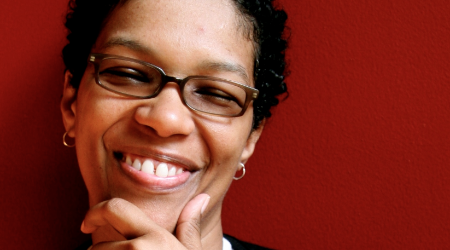
Rev. angel Kyodo williams Sensei, is an author, maverick spiritual teacher, master trainer and founder of Center for Transformative Change. She has been bridging the worlds of personal transformation and justice since the publication of her critically-acclaimed book, Being Black: Zen and the Art of Living With Fearlessness and Grace. Ordained as a Zen priest, she recently became the second black woman recognized as a teacher in her lineage. angel is a social visionary that sees Transformative Social Change: applying inner awareness practice to broad-based social change, as America’s next great movement. She is an early shaper and leading voice in that work and coined the name for the field. For over 15 years, she has deeply invested her time and energy to putting into practice her unwavering belief that the key to transforming society is transforming our inner lives. She has developed comprehensive systems for illuminating both practical personal change and the profoundly liberating potential of mindfulness, yoga, and somatic practices coupled with wisdom teachings. angel envisions the building of a presence-centered social justice movement as the foundation for personal freedom, a just society and the healing of divisions of race, class, faith and politic. Her work has been widely covered by such publications as New York Times, Boston Globe, Ms., Essence, Buddhadharma, Village Voice, and on the Oxygen Channel.
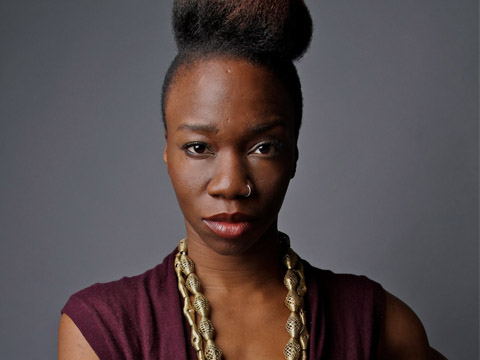
ADAKU UTAH is an activist, healer, teacher and performance artist committed to building and nurturing authentic expression within individuals and transformative and healing community spaces. She is a proud social justice co-conspirator, committed love warrior and ever evolving mover and shaker. Her performance work is grounded in healing, laughter, art, spirit and love. She grew up in Lagos, Nigeria where she began dancing in her mother’s womb and has trained in African, jazz, modern and hip hop dance styles from communities in Nigeria, Chicago, Los Angeles, North Carolina and New York. She has performed at numerous venues nationally and internationally including the American Dance Festival, Jacob’s Pillow, FuseBox Festival, Dance Chicago, Michigan Womyn’s Festival, Dance Theater Workshop, Dance Theater of Harlem and the Oprah Show. She has shared the stage with the likes of Black Eyed Peas, Oprah, Ne-yo, and Meshell Ndegeocello. She currently collaborates with Faye Driscoll’s Modern Dance Group, Organic Magnetics, Motion Sickness and Karma Mayet’s Indigo Blues Opera. Her performance work is coupled with her social justice work. She is the founder of SouLar Bliss, a community space to share, create, discuss recipes, remedies, rituals and resources for healing ourselves and communities whole. She also currently works with Project SAFE as a project facilitator, training and supporting youth and adults in educating and organizing around sexual health and reproductive justice issues.
Alta Starr brings a strong passion for social justice and a deep commitment to personal transformation to her work as a trainer, an organizational consultant skilled in building high-performing teams and partnerships, and a somatics coach and therapeutic bodyworker. A former teacher, counselor, and radio news producer, for twenty-five years Alta worked as a program officer and grantmaker at the New World and Ford Foundations, funding community organizing, capacity-building and leadership development. She has served on the boards of the Progressive Technology Project, the Peace Development and Needmor Funds, the Seasons Fund for Social Transformation, and the National Domestic Workers Alliance. Currently, she is an advisory council member and trainer with BOLD (Black Organizing for Leadership and Dignity), a board member of WON (Women Organizing Neighborhoods), and a leadership coach with the New York Transformative Coaching Program, a project of Generative Somatics.
Dr. Smith is a licensed psychologist and Clinical Director of the Bellevue/NYU Program for Survivors of Torture. He is also an Assistant Clinical Professor at the NYU School of Medicine in the Department of Psychiatry. Dr. Smith received his doctorate in Counseling Psychology (with distinction) from Teachers College; Columbia University. Dr. Smith had previously earned a Bachelor of Science in Foreign Service from the Georgetown University School of Foreign Service, an advanced certificate in African Studies from Cheikh Anta Diop University in Dakar, Senegal, as well as a Masters in International Affairs from the Columbia University School of International and Public Affairs. Among his clinical duties, Dr. Smith has facilitated a supportgroup for French-speaking African survivors of torture for the past 15 years. Dr. Smith has been recognized for his work with such awards as: the Robin Hood Foundation’s “Hero Award”; the “Frantz Fanon Award” from the Postgraduate Center for Mental Health; the “W.E.B. DuBois Award” from the International Youth Leadership Institute; the “Distinguished Alumni – Early Career Award” from Teachers College; the “Man of Distinction Award” from the National Association of Health Service Executives; and the “Union Square Award for Community Advocacy” from the Fund for the City of New York.
Copwatch Training Hamilton Hall 302
Every day we see and hear of more and more cases of police brutality. Eric Garner, Walter Scott, Rekia Boyd, Sandra Bland, Papi Edwards, Yasmin Vash Payne. Monitoring and documenting the police – a practice known as “Cop Watch” – helps gather evidence of police misconduct and can help deter and de-escalate brutality. However, Cop Watching is not without risks and is not always easy to do. Come to this training led by NYC Copwatch to learn how to safely, effectively and radically watch the police.
- Jane Ledesma, East Flatbush Team
- Simone Gamble, East Flatbush Team
- Keeshan Agostini, Bushwick Team
- Julien Terrell, Harlem Team
Movement Lawyering 101 - Best Practices for Collaborating with Organizers/Activists (Repeated Session) Mathematics Hall 312
Legal advocates have the skills to play a crucial role in movements for justice--we defend the right to protest, draft legislation, conduct know-your-rights sessions and file litigation on behalf of individuals and organizations. However, despite our skills and best intentions, organizers and activists often recount examples of where legal advocates were in severe conflict, worked at cross purposes, and/or ultimately did more harm than good to political and social movements. In this interactive and participatory workshop, participants will have the opportunity to strengthen their understanding of how to work collaboratively with organizers and activists to build social movements that have the power to win. Specifically, in the workshop participants will: explore the range of roles legal advocates play & the competing trade-offs of varying approaches; identify the core strategies, tactics, and skills of movement legal work; share real stories of cases/campaigns and constructively reflect on challenges and opportunities; discuss power & privilege and the importance of an anti-oppression framework to movement legal work.
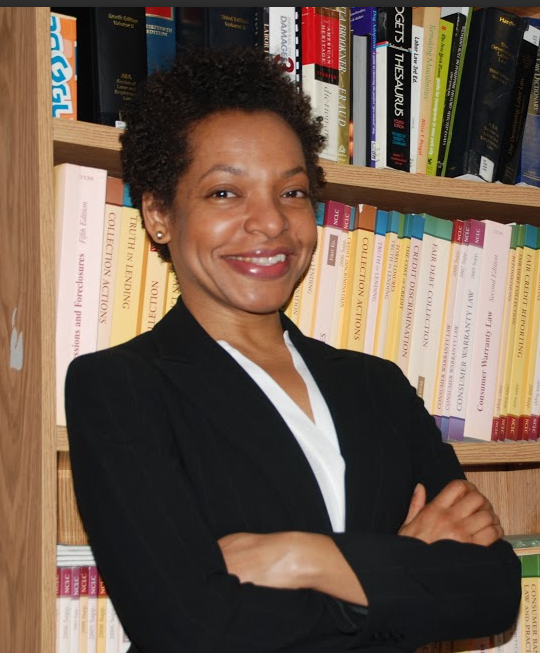
Addrana Montgomery is a staff attorney with the Community Development Project at the Urban Justice Center where she works on preservation of affordable housing in New York City. Addrana has championed social justice movements across the globe, including in Southern Africa, where she served as one of the youngest overseas election monitors for South Africa’s first democratic election. Witnessing South Africa’s transition to a post-apartheid, majority-led government inspired her to use the law to effect social change. During her clerkship at the Constitutional Court of South Africa, the country’s apex court, she wrote and drafted opinions ranging from housing and land use cases to the right of cultural expression in public schools, all within a human rights legal paradigm. Her work at the Court continues to inspire and inform her human and civil rights legal and political activism in this country. In between her legal work, Addrana has worked on and organized several national, New York City-wide and local political campaigns.
Professor Akbar received her B.A. from Barnard College, Columbia University, and her J.D. from the University of Michigan, where she served as editor-in-chief of the Michigan Law Review. Her interdisciplinary research focuses on the intersections of national security and criminal law, and on the functioning of the contemporary punitive state. She has written extensively on the role of counter-radicalization in shaping national security policing and prosecutions. Underlying her research is an effort to understand the relationships between law and legal discourse, policing, and inequality. Her clinical practice is focused on law and organizing for marginalized communities. With her students, she has litigated in state, federal, and transnational forums against domestic and foreign governments for human and civil rights abuses, researched and written community-based human rights reports, and collaborated with community organizations in campaigns for public education and collective change.
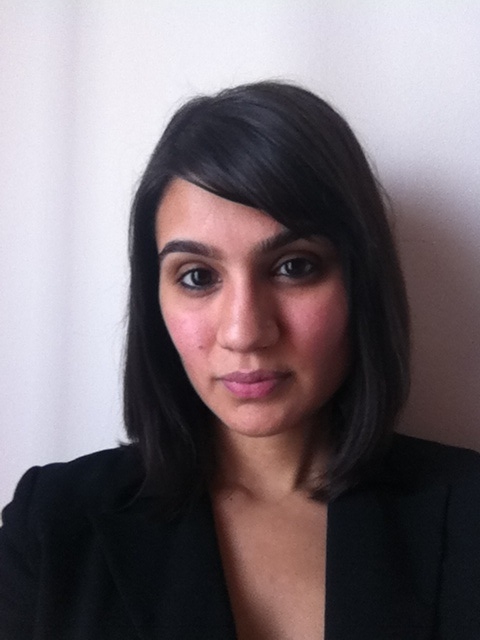
Jeena Shah is a Visiting Assistant Clinical Professor of Law at Rutgers School of Law - Newark, where she teaches the Constitutional Rights and International Human Rights Clinics. She is co-lead counsel on a lawsuit brought by Sexual Minorities Uganda, an umbrella organization for LGBTI-led groups in Uganda, against a U.S.-based anti-gay extremist for contributing to the persecution of Uganda's queer community. She also currently represents four Iraqi men in their lawsuit against a U.S. military contract for torture at Abu Ghraib. Jeena has worked closely with organizers and oppressed communities in New York, Iraq, India, and Haiti, appeared on TV and radio news programs and authored several op-eds discussing issues of U.S. militarism and imperialism, and co-designed a training on movement lawyering.
Encrypt By Any Means Necessary (Repeated Session) Hamilton Hall 303
We now know that every message, phone call, postal mail, and online chat conversation you have ever had has been watched, recorded, and archived. All of this information can be searched and used against legal advocates, activists, and clients. In this session you will learn about the political context to digital and mass surveillance and how to communicate so only the recipient and sender get the message. Bring your computer or your phone to get the most out of this session. If you can't make it to this workshop, please visit the "Digital Security Clinic" to learn more and have your questions answered by experts.
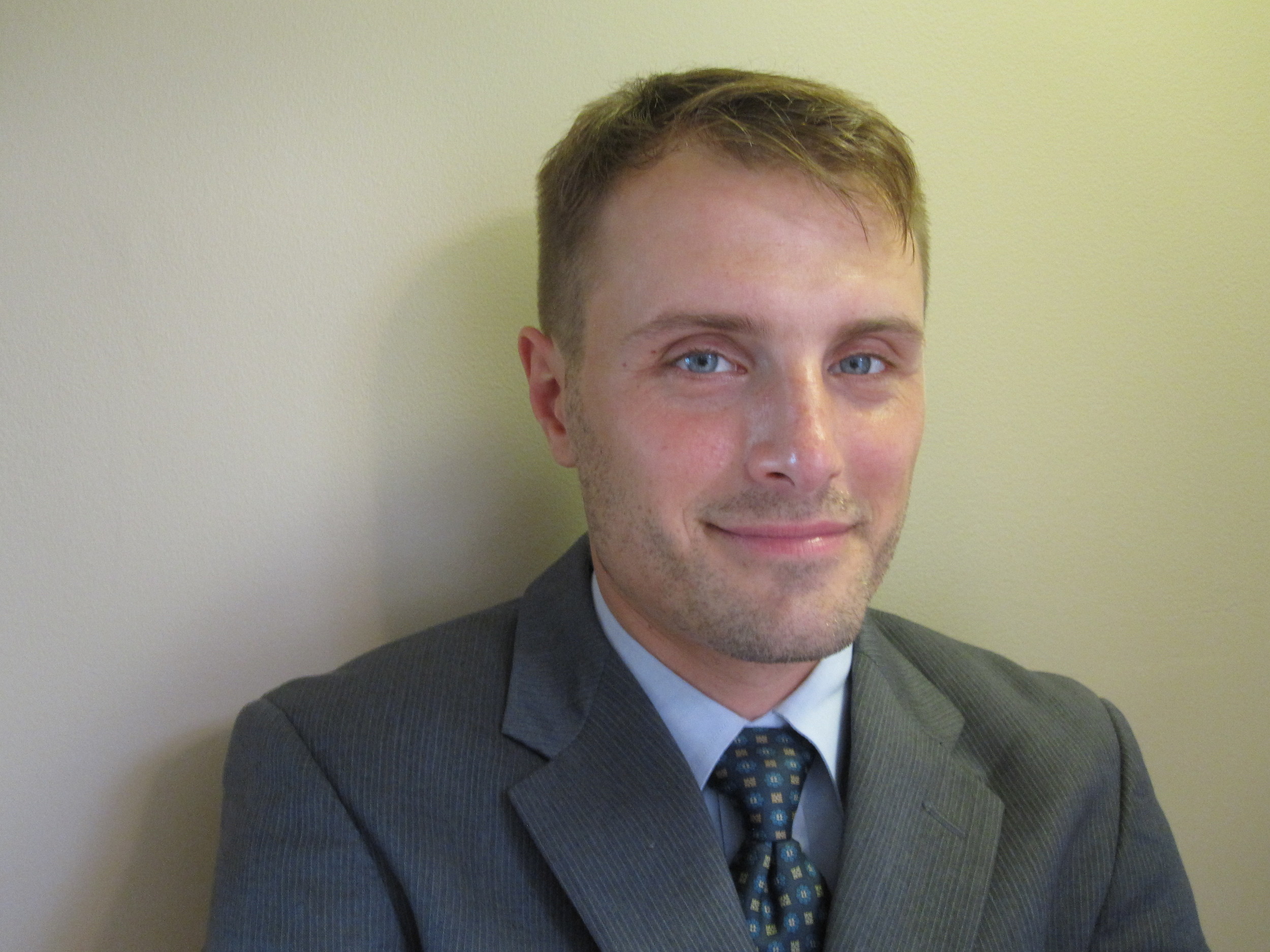
Jonathan Uss is the director of Constitutional Communications. He has led trainings for other attorneys as well as journalists, grantors and technologists on cyber security, privacy rights, and attorney client communications. In addition, he has provided training for civil society leaders from fifteen countries at the Escola Nacional Florestan Fernandes (ENFF), in Brazil. Prior to founding Constitutional Communications, Jonathan spent a decade as a community organizer with San Francisco Women against Rape, Education Not Incarceration and the Hudson Valley Community Coalition. After graduating from CUNY Law School, he worked with formerly incarcerated people at the Fortune Society.
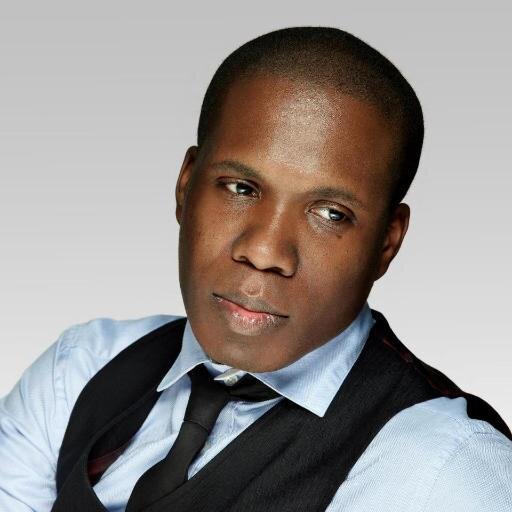
Amanda Alexander is a Soros Justice Fellow and attorney in the University of Michigan Law School Child Advocacy Law Clinic. She is founding director of the U of M Law School Prison & Family Justice Project, which serves families divided by incarceration and the foster care system using a combination of direct representation, know-your-rights education, targeted litigation, and advocacy. The project works with people in prison and their families to reduce the impact of incarceration and to promote family reunification and successful reentry.